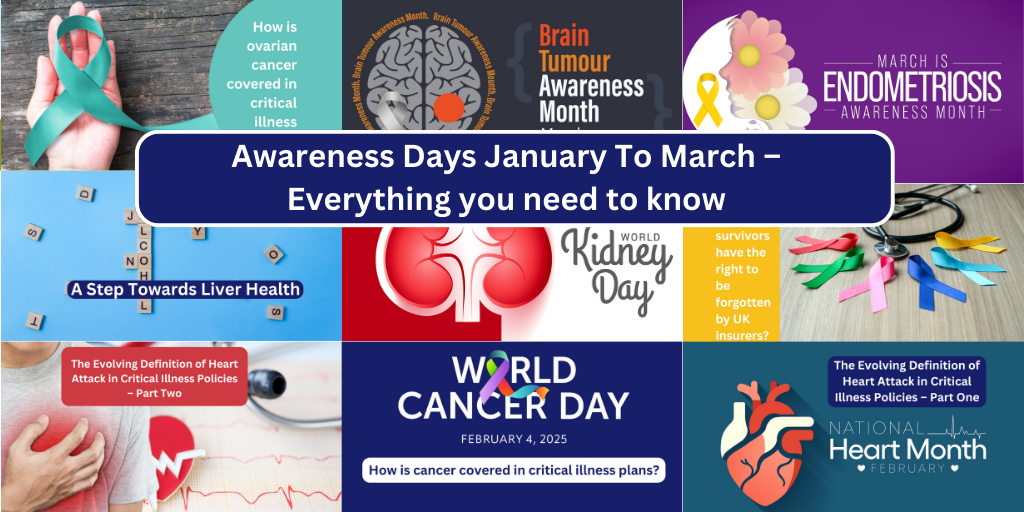
National and international health awareness days provide valuable opportunities for charities and health organisations to highlight important medical conditions. They help drive education, improve understanding, and promote better prevention, diagnosis and treatment outcomes.
Over the first quarter of the year, a wide range of awareness events took place. As with the rest of the year, we worked closely with our panel of doctors and medical experts to explore the conditions behind these campaigns and to assess how they are treated within protection insurance policies.
We know that most advisers are not medically trained. Discussing complex medical conditions, evolving diagnostic criteria, or Critical Illness definitions can therefore feel challenging. The awareness event insights we published between January and March are designed to make those conversations easier, helping advisers feel more confident when discussing protection needs with clients and when explaining how policies respond in practice.
Dry January: A Step Towards Liver Health

Dry January has become a powerful public health movement, encouraging people to reflect on their alcohol consumption and its impact on long-term health. In the UK, liver disease remains a growing crisis, with alcohol misuse and obesity acting as major contributing factors.
In this insight, our doctors explored how excess alcohol damages the liver, the difference between compensated and decompensated cirrhosis, and what insurers require for a successful Critical Illness claim. The article also highlighted the importance of accurate disclosure around alcohol consumption and explained why many policies exclude claims where alcohol misuse is a contributory factor.
Children’s Mental Health Week – What Value Added Benefits Are Available For Kids?

Children’s Mental Health Week, run by Place2Be, focuses on helping young people understand their mental health and build emotional resilience. This year’s theme, “Know yourself, grow yourself”, provided an ideal opportunity to explore how insurers support children through non-contractual value added benefits.
This article examined the range of services available to children, including virtual GP access, nutritional support and mental health services. It also compared how providers differ in terms of eligibility, age limits and product types, helping advisers understand where cover and support is strongest.
World Cancer Day – How is cancer covered in critical illness plans?
World Cancer Day is a global initiative aimed at improving education, reducing stigma and promoting equitable access to treatment. To support this campaign, we asked our doctors to unpack how cancer is defined, staged and treated within Critical Illness policies.
The article explained key medical terms such as malignancy, metastasis and pre-cancerous conditions, outlined the most common cancers by age and gender, and clarified how insurers cover stage 1 to stage 4 cancers. It also explored why early-stage and pre-cancerous conditions are often treated differently within policy wordings.
National Heart Month: The Evolving Definition of Heart Attack in Critical Illness Policies
February’s National Heart Month gave us the opportunity to take a deeper look at how heart attack definitions have evolved within Critical Illness insurance.
In part one of this two-part series, our doctors explored how heart attack diagnosis has changed over the past 40 years, including the introduction of troponin testing and the role of the Association of British Insurers (ABI) thresholds. In part two, we examined ongoing ambiguities, advances in cardiac imaging, and how insurers have modernised their definitions to better reflect current clinical practice.
Together, these articles help advisers understand why definitions differ between providers and which insurers offer greater certainty at the point of claim.
Part one: Click here to read more
Part two: Click here to read more
Endometriosis Action Month: Endometriosis and Insurance
March marks Endometriosis Action Month, a campaign dedicated to raising awareness of a chronic condition affecting around 1.5 million women in the UK. Despite its significant impact on health, wellbeing and employment, endometriosis remains largely absent from Critical Illness definitions.
This insight explored the challenges of diagnosis, the impact of endometriosis on work absence, and the limitations of current Income Protection policy structures for fluctuating chronic conditions. It also highlighted the importance of features such as linked claims and questioned whether policy design needs to evolve to better reflect real-world illness patterns.
World Kidney Day: How Do Critical Illness Plans Cover Kidney Disease?
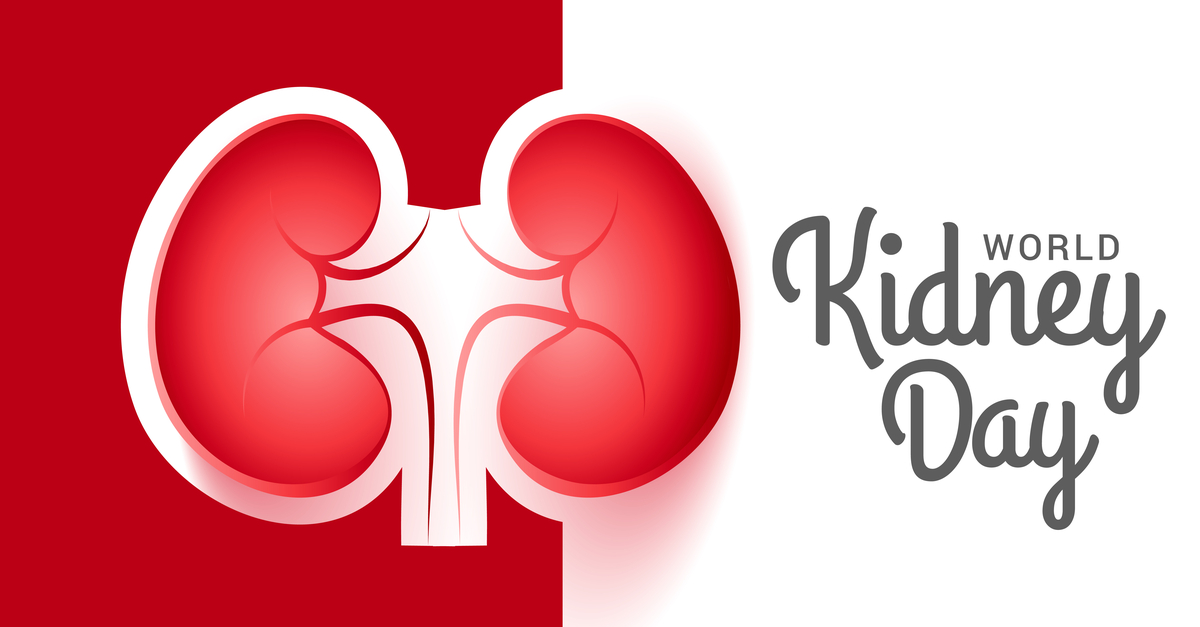
World Kidney Day focuses on early detection, prevention and better understanding of chronic kidney disease. In this article, our doctors explained how kidney disease progresses, who is most at risk, and how Critical Illness policies respond when the condition reaches an advanced stage.
The article also explored future treatment possibilities, including artificial kidneys and animal organ transplants, and examined the growing role of added value benefits such as nutritional support, health checks and wellbeing services in helping clients manage risk and maintain kidney health.
No Smoking Day: E-Cigarettes and Insurance – Is It Time for a New Perspective?
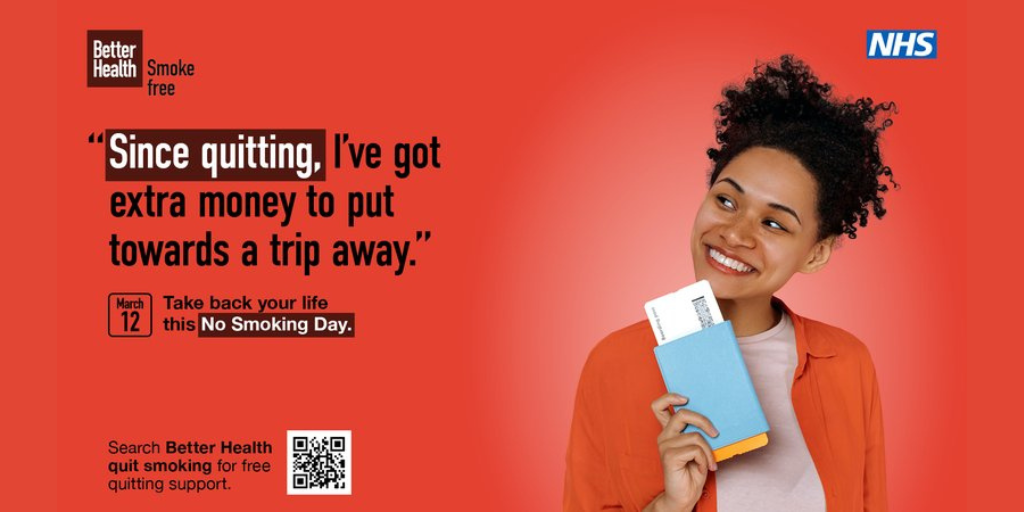
No Smoking Day is designed to support people who want to quit smoking and improve their long-term health. This insight explored how insurers classify smokers, ex-smokers and non-smokers, and how vaping fits into current underwriting practice.
Drawing on medical evidence and public health guidance, the article examined whether e-cigarettes should continue to be treated in the same way as traditional smoking for insurance purposes. It also highlighted the support services insurers offer to help clients quit and discussed whether the industry’s cautious approach still reflects the evolving evidence base.
Cancer Awareness in March: Should Cancer Survivors Have the Right to Be Forgotten?
With multiple cancer awareness days taking place in March, this article focused on the emotional and financial challenges faced by cancer survivors when applying for insurance.
It explored whether the UK should follow parts of Europe in introducing a “right to be forgotten” for insurance purposes after a set period cancer-free. The article considered survivor experiences, insurer risk concerns, and the potential implications for life and Critical Illness cover, helping advisers think more critically about fairness, underwriting and pre-application support.
Ovarian Cancer Awareness Month: How Is Ovarian Cancer Covered in Critical Illness Plans?

Ovarian Cancer Awareness Month shines a spotlight on one of the most serious gynaecological cancers in the UK. In this insight, our doctors explained how common ovarian cancer is, who is most at risk, and why survival rates remain poor.
The article also compared how insurers cover malignant ovarian cancer and tumours of borderline malignancy, highlighting where more comprehensive policies provide additional value for female clients.
Brain Tumour Awareness: Benign Brain Tumours and Pituitary Tumours
March also includes Brain Tumour Awareness activity, including Wear a Hat Day in support of Brain Tumour Research. To mark this, we published two related insights.
The first explored how benign brain tumours, particularly meningiomas, are treated under Critical Illness policies and how emerging therapies such as advanced radiotherapy may change future coverage expectations.
The second examined the World Health Organisation’s reclassification of pituitary tumours and the potential implications for Critical Illness policy wordings. It highlighted why insurers are updating definitions to avoid unintended outcomes and ensure policy terms reflect clinical reality.
Benign brain tumours: Click here to read more
Pituitary tumours and WHO reclassification: Click here to read more