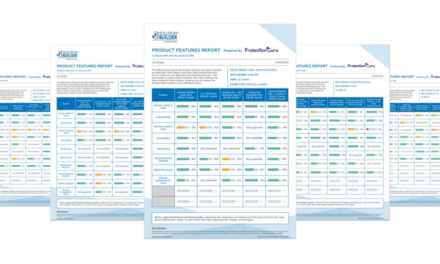
This post contains the first section of conversation from our October Protection Forum where attendees discussed how claims stats and stories can be created, organised, and disseminated better to consumers. 

Most people don’t trust claims stats—we need them to come from an independent body rather than the insurers themselves.

The data needs to come from someone who isn’t trying to use it to sell a product.

Scott Taylor-Barr:

I remember there was some research that was done by the Association of Mortgage Intermediaries last year. Full claims stats and consumer confidence. And one of the depressing parts of it is that a good chunk of people, well over half, when asked if to what extent do they trust claims figures, they basically didn’t. So I think the first hurdle we’ve got to get over is: do we need these claims stats to be produced by somebody other than the insurers to get customers to feel confident with them? Do they need to come from the ABI or the FCA, or somebody that the client sees as more central and more independent from the insurers themselves.

I think there’s always a vested interest argument, isn’t that? I think that’s that. I think that’s the issue that seems to come through from the data is that anyone– be it an adviser or be an insurer– they’re trying to get somebody to take the product. So therefore it does that immediately undermine the argument, so to speak?

People are always more interested in the small amount of claims that don’t get paid, so it’s important to explain the reasons for declines. The real strength comes from stories rather than stats.

Paul Reed: The ABI has stats on this anyway, so they produce annual stats on it that can be made available if you go digging for it. But I think one of the wider challenges we’ve got is when we talk about claims statistics, a lot of it is just industry to industry. I don’t know how much goes out there into the public domain about how good those claims stats are. And I guess whether it’s a British thing or not, even if you said ninety nine point nine percent of claims are paid, there will be people that say, “Well, hang on, wait, what happened to that point-one? Why weren’t those claims paid off the other side of it?” So actually, maybe there should be a transparency piece about not just how many claims are paid, but why the claims weren’t paid. So a bit of an education piece, and I think industry-wise, we know that that’s going to be because of either nondisclosure or all the other wonderful reasons. But if customers are aware of that, and as long as they’re aware, as long as they tell the truth on their application form, there’s no reason why this policy wouldn’t pay out. The questions aren’t that hard. I think we probably as an industry over complicate it at times where we always look for simplification. It’s insurance isn’t that difficult. Let’s be honest, as long as you read the question and you answer it honestly, then where’s the difficulty there? But for me, the whole, as I put in the chat there, the real strength comes from real people and real stories. Claims statistics are great and they give a full endorsement across the industry because everyone’s stats are great. But for me, it’s about real people, real stories. And internally we use a hashtag which is #PeopleNotPercentages, because actually that’s where the strength lies, it lies in people giving their own testimonials about what’s happened to them.

The only way to get the good stories out there is to share them ourselves.

Adam Kaplan: I just want to kind of follow on from what Paul said there, and some of you that I’m connected with may have seen the story I shared the other day about an income protection claim we’ve got ongoing at the moment. And it’s simple with claims stats, as you said, it’s ninety-nine percent of claims get paid out the first questions is: what about the one percent? Why didn’t they pay? And that’s just the mentality we have as human beings. So for me, I do share claims stories mainly on LinkedIn, and the main one I did the other day was a guy that I think the headline was “Claims Don’t Pay.” I did that on purpose just to get people reading it. I think the headline is so important on LinkedIn. But ultimately all he did was tore his ACL playing football on the 1st of March last year. Then Covid happened and he’s still off work now, and he’s been paid over £45,000 and that was so powerful to share those stats. If I’d have just put out “over 90 percent of Income Protection claims paid,” that wouldn’t have had the same impact as sharing a true story. And I think in my point of view, the purpose of that is we can’t get away from social media or the media itself or the press because they’ll only ever print bad news stories. I am aware of an insurer who had a good news story of a critical illness claim, they went to the press with it, and the press basically said “we’re not interested, but if you hadn’t paid, then we would have printed your story.” And I just think that’s disgusting. I’m sure I’ve said that before, but I just think that just shows you the mentality of people, the press, media and everything like that. So the only way we can really get this across, as Paul said, is to keep sharing these claims that we have.

There can be some improvements with how stats are displayed. It’s all about pushing together as an industry.

Jack Southcott: I think we’re, at The Exeter, like a number of insurers have explained the reasons for declining the claim in our infographics each year for a number of years now. I think probably one of the reasons why that’s still crowded out by the more positive messages, because it is largely misrepresentation. And there’s only so many ways that you can say that you need to be honest to get your claim paid without that clouding the positive messages around all the good things that have happened with the product that year. I fully agree with what everyone is saying around the stories, and I think the stuff you’ve done with the infographic is great. I don’t think, though, that we should overlook the stats completely. I mentioned in a previous Forum that I still think there’s some improvement that can be made with the consistency of how these things are displayed. And I think, Adam, I’ve mentioned to you and Rob maybe a couple of ways that we can do that going forward for an independent like yourselves to present it, rather than the insurers each coming up with their own way of doing so like it was mentioned just now. But I think in terms of the message that can be put out, obviously the ones that aren’t paid are always going to get the clicks. So I think all that can be done is, try and flood these positive messages out there with these infographics, with the stories. The more we push, the more that’s going to catch on and get people’s attention, I think, so it’s just a big combined effort.

We have adapted our reports over the years to respond to adviser feedback and make them easier to use.
Julie Higman: Just to add to what Jack was saying, yes, exactly the same. We’ve got the reasons for decline as well in our in our claims report. My colleague Rebecca has put a link to ou claims report in the chat there. And we’ve very much listened to a lot of the feedback we’ve had from advisers on what to include in that report. And it has  evolved over the last few years. It’s become a lot more of an interactive, easier to use report, and we have not just focussed on the stats whilst the stats are there, and yes, like Jack said, they’re valuable and they are needed. We’ve tried to focus a lot more on the stories that actually sit behind there, and I think we’ve got more claims stories in our claims report this year than what we’ve ever had before. So it’s something that we are working on to get more and more of those stories to be able to share to enable those discussions and obviously videos on our networks as well that you know, you can share with customers when they’re sat in front of you or if you need to go away and get some paperwork or whatever, we’re listening and trying to put as many of those tools on there as possible.

Sometimes the process of making claims story videos for insurers is too much of a hassle and it deters the clients, and I don’t understand why it has to be so hard.

Emma Astley: I always try and reach out for people to do stories because they just they just help so much. And we’ve done quite a few over the last couple of years. But this lady in particular isn’t even a client of mine. I just know she got a pay-out after her son had sepsis and he lost both his legs and his fingers. They have a small family business, and they actually claimed on both the husband and the wife’s policy, and it saved their business. So they’ve got such an amazing story that is successful, William is doing amazing. So I reached out and asked her if I could get in contact with the insurer to do a video for her. She has done her own anyway on Instagram herself, because I always ask that as well. But I just think the insurers need to do more about it, but there’s certain compliance and ties that they have in just paying somebody a ‘thank you’ fee for doing the video for them or just looking after them for the day. But this lady has had so much trouble from this insurer that she’s just said, “forget it. There’s just no point I’ll just do it on my own platform and raise awareness that way.” But there would be more reach, if the insurer did that, I feel. If that’s coming on their websites and then advisers can share that, I feel that that would be a bigger impact. But unfortunately, it’s just taking so, so long with so many ties and red tape that it’s just making it hard work. I don’t understand why it has to be that hard to just arrange to go and do a video and get a story out there to help more families. I just think it’s bonkers.