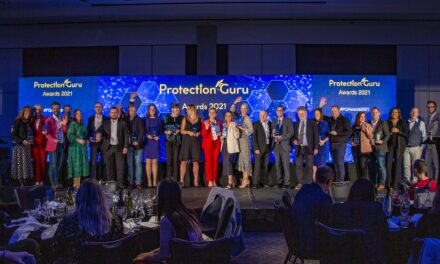
At the May Protection Forum, the spotlight was on business protection—a space that’s increasingly drawing attention from advisers looking to diversify their offering beyond individual cover. The first half of the discussion revealed a clear shift in mindset: more advisers are actively exploring how to bring business protection into client conversations, especially within the SME market.
Lee Thomas from Pangea Life set the tone, sharing practical insights from the front line. He described how making business protection relatable—using analogies, focusing on risk, and delaying premium discussions until after the value is clear—can dramatically change client engagement. His comments reflected a broader theme: the opportunity in business protection is significant, but success lies in how it’s positioned.
Others echoed this, with discussions around adviser confidence, the technical barriers that can hold people back, and the importance of working closely with solicitors and accountants to build robust solutions. There was also recognition that providers have a role to play—particularly in developing tools, language, and resources to support advisers on this journey.
The following quotes highlight the key themes raised in this engaging and practical conversation.
“Actually, when I see advisers start out… one of the problems I see when I’m training somebody is the temptation is to talk too much at the beginning or to start going down with products and solutions. The real trick is to say as little as possible. Just ask the right questions.”
“The result of your meeting… you want them to have almost a disaster recovery plan around people. Even if you’ve written all the insurance, if there’s a claim and that money starts hitting bank accounts and nobody’s got a clue what they’re doing with it… what use is it anyhow?”
“All the business owner wants to know is: what’s the risk and is it going to get solved?”
“Most of what was available tended to be short half-hour webinars. You’d get the ABC of business protection, but they’d only take you so far… You’d do your first 8 or 9 cases, then walk into a complex one and feel all at sea.”
“I get advisers showing me cases every week. So Stuart and I set up a Business Protection Academy… trying to put together everything I wish had been there when I started.”
“Often I’m presenting risks to insurers that they’ve never heard of or haven’t wrapped their heads around. So how they can help an adviser encountering this stuff is tricky.”
“Let’s make exec IP transferable. Let’s make sure you don’t lose terminal illness if you transfer your relevant life plan to a personal plan.”
Click the audio playback below to listen to the full session.
Full session audio
Part 2:
“It is such a great market. Once an adviser gets into it and starts to get confident… suddenly you see them getting active, having all these conversations.”
“One adviser I work with has gone from starting out to having 20 ongoing business protection conversations—and hired another adviser to handle the applications. He’s done that in less than a year.”
“You’ve got to sit back and let them talk. All too often no one’s actually challenged a business owner to say: what happens if?”
“Good business protection is about understanding businesses—the balance sheet, the P&L, the strategy—then having the conversation and coming up with the appropriate mitigation.”
“When I transitioned from personal to business protection, one of the big challenges was compliance. Pretty much every case got flagged because of a lack of understanding within the network.”
“Every single business has some kind of need for what we do. It’s very rare to come out of a meeting without something to help with or consider.”
“The growth in business property relief planning is going to be absolutely huge over the next couple of years.”
“For shareholder protection, we need something more like TPD—a career-ending illness scenario. It would bring costs down and be more relevant. The current exclusions, especially for mental health, are too broad.”
“You absolutely need the practical experience. You can read all you want, but it’s about doing the cases and knowing who to talk to when something tricky comes up.”