For our October Protection Forum part 2 we brought together advisers and insurers to discuss:
‘What does a quality driven protection recommendation look like?’
To kick off the discussion we heard from Scott Taylor-Barr from Carl Summers Financial Services and Mark Culham from HB Partners Mortgage & Protection, both of whom brought with them unique and interesting perspectives. Anna Gustyn from Umbrella Protect followed to provide her perspective.
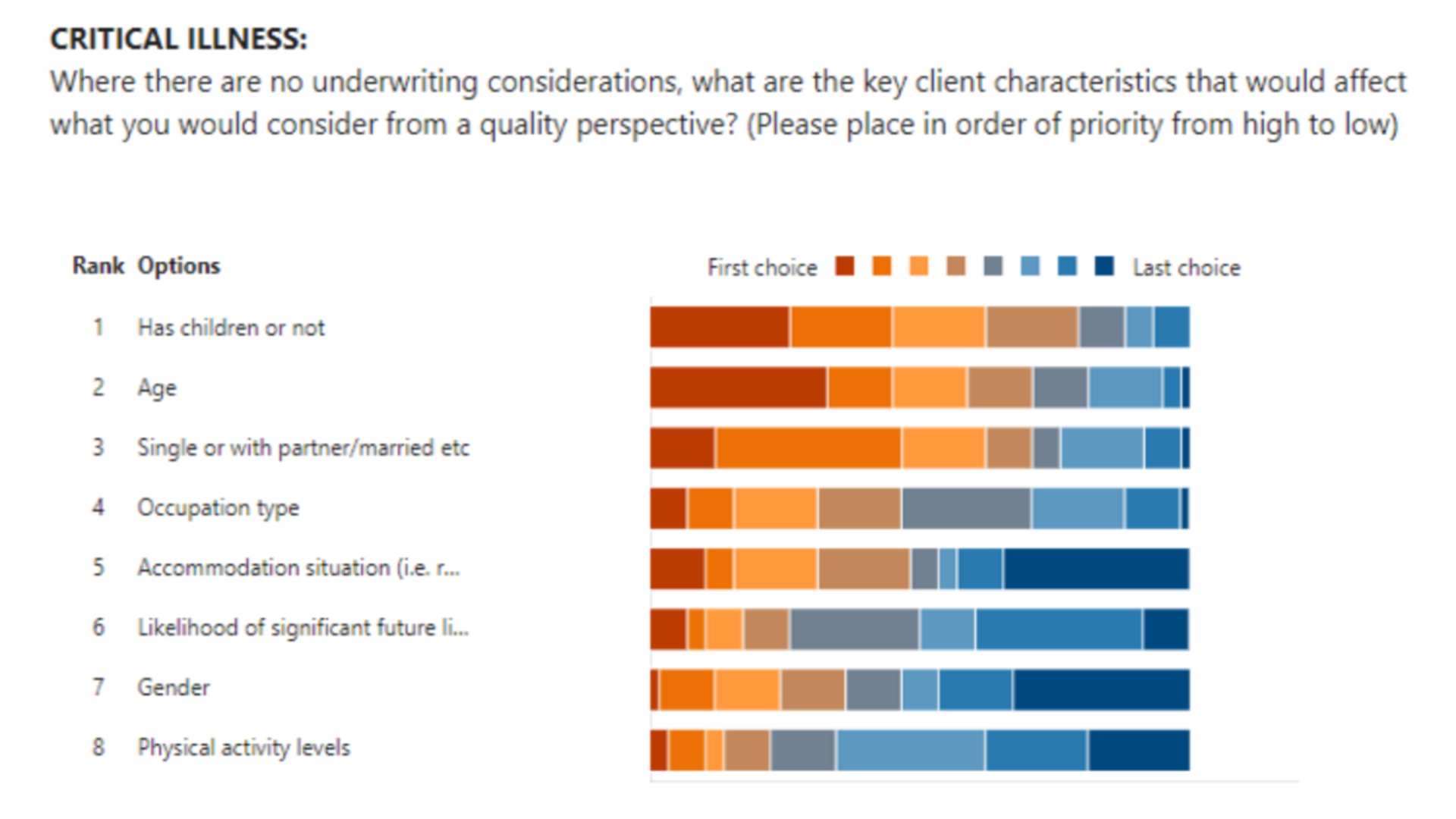
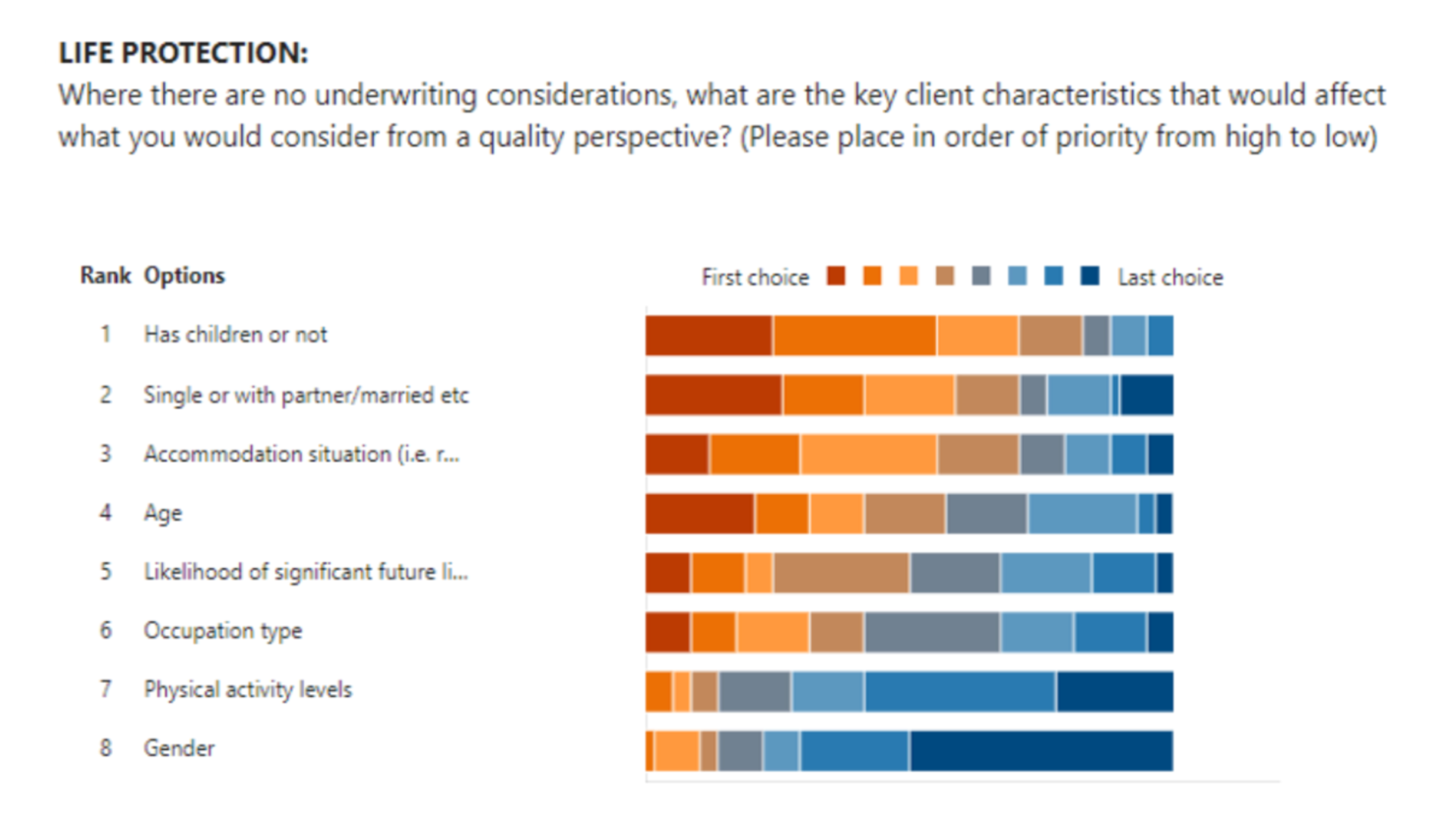
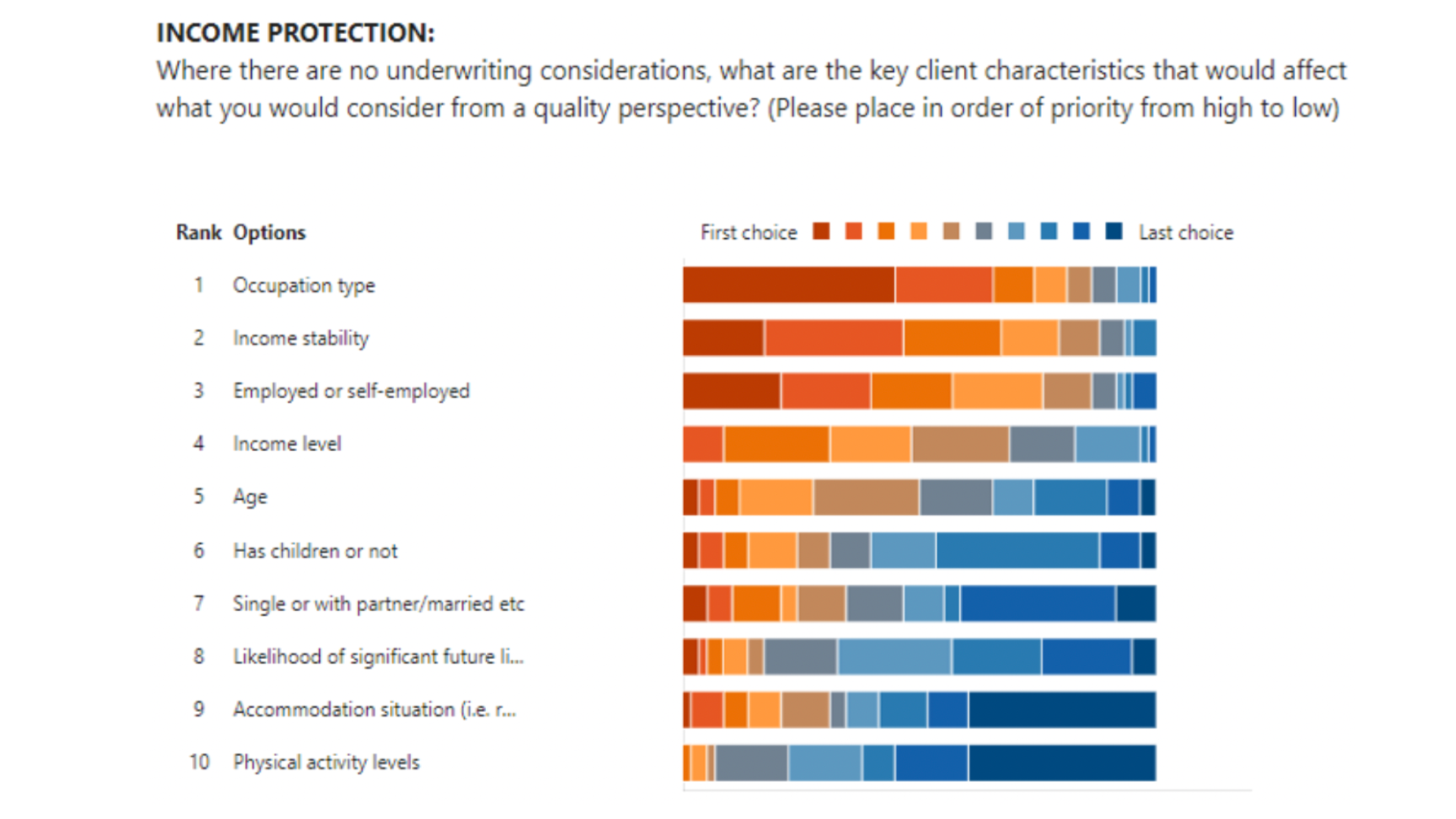
We also asked adviser attendee’s to answer some ‘pre-session survey’s’ which can be found below.
“…And then when we get to the point where we can actually put a recommendation together, one of the things that I’m doing is looking at a budget with them. So we’re discussing what’s a comfortable budget, bearing in mind they’re taking on these additional costs around the mortgage and the other bills, etc., because I want to get their kind of buying because it’s very difficult to say something is too expensive when you yourself came up with the budget that I’m working in. So that’s kind of pre-empting one of the big objections we often get. So once you’ve got someone to establish that, yes, protecting this new mortgage is probably a good idea. And yeah, okay, I’m comfortable seeing £50 a month coming out of my bank account with the word insurance next to it every month. Then at that point I make them a promise, right? I will go away and I’ll do my research and I will find you the very best protection package I can for that budget. Always close to it as I can. And that’s kind of the important first seed in. Let’s have a conversation about quality, not about premium.”
“Now, if somebody given me a particularly tight budget, then the other thing, obviously, and for just a tenner more, you could potentially upgrade it to this or you could get this or, you know, with 40, we’ve got this little thing here, which is annoying, but we can get around that little thing if we go for if we have another tenner. So for example, you might if we’re looking at IP, you might be limited to, to a one year payout option and you could say, well, look, it only pays out for a year, but if you for an extra ten, suddenly it pays out for two years or for an extra 25 quid, it pays out for life or up to retirement age, we should say. And it’s about having those kind of conversations. That is really the quality bit. The price is really only at the start where we’re talking at what’s comfortable.”
Click the audio playback below to listen to the full session.
Full session audio
Part 1:
Part 2:
“You know, once you can make sure there is a priority that’s been kind of defined within that client’s world, then you can almost lead the client to their own conclusion. So as Scott says, you know, things like working on budget and that type of thing. For us, the budget conversation actually comes a lot later…”
“So we tend to kind of do a lot more fact finding first and then we start delivering them types of premium that has been driven by their need. And then the conversation comes, Is that affordable? Do we need to chop it down? Can you increase more?”
“I always say to, look, I’m not going to sell this to you. I’m going to advise and I’m going to recommend whether you take that advice and those recommendations, it is totally up to you. But it my job is to make sure that I have furnished you with enough details that you realise that if the worst happens, you are covered. But if you weren’t covered, at least you knew what the consequences were.”
“First of all, the recommendation holistic protection advice, what it is and in our opinion it should always be needs driven and priorities driven rather than budget driven. So we never first of all, we never really sit down to protection conversation starting from a budget. We don’t ask how much you want to spend because obviously if you’re going to ask somebody how much you want to spend on your insurance, they’re going to say £20, and then what are we going to do with this? We’re going to arrange something quick costing £20. This is actually not what holistic protection advice should look like. So very good points from my previous speakers on fact finding. Fact finding is crucial. We always start from fact find and we also always start from a detailed medical questionnaire.”
“It’s crucial to spend that time on understanding their medical history, understanding that that your medical case also another example of smoker. You know, I’m just working with a customer who stopped smoking two years ago. And again, that’s very crucial because what providers do these days are some of you know, some providers will give loading if you stop smoking even within like 3 to 5 years ago. So again, why would I go and apply with somebody who will load him? Because he has been smoking two years ago now, of course, I’m going to research providers approach to smoker and past smoker, and I’m going to apply with somebody who will offer him standard terms, somebody that will treat him as a non smoker.”