This is the third post in our series bringing you some of the great conversations from our June Protection Forum. In this section, our attendees talked about how Covid has impacted claims and Income Protection products. 

We’re only just now starting to see a small number of longer Covid-related claims, and we’ve partnered with a firm that specialises in post-viral support to help people return to work.

Justin Harper: We’ve shared several times a number of reports on Covid experience. And I think when we look at our IP book particularly, we have seen hundreds of shorter waiting period claims for us throughout the personal sick pay book. Many of those, in fact, the vast majority, tend to recover within a matter of a couple of weeks. We’ve had several which have gone on to perhaps a month or two. And probably only now are we starting to see a very, very small number of longer Covid-related claims. So we’ve got a couple that we’re actually handling at the minute, both one of which was hospitalised, as a good example. And the sorts of symptoms they’re displaying tend to be around respiratory problems. But also this post-viral fatigue, which may be memory loss, respiratory problems, as I said, memory and fatigue. So we’re looking to support a number of those at the minute right now. It’s still very early days. We can’t necessarily define it and track it back directly to Covid. But what we have done also is partnered with a particular outfit who focus and who specialise in post-viral fatigue support. So not only are we paying the claim, but we are also looking to support them back into understanding the situation and back into work. What we have seen, as I said, hundreds and hundreds of short-term claims, but only now starting to see a very small number of longer term ones.

It would be interesting to see if there’s a change in claims as more people have a more sedentary lifestyle. Cancer is one of our top CI and IP claims and we have seen a drop of those claims this year.

Justin Harper: I suppose what we have started to see and this will change, I also read that article of interest of people looking to return to office work in the next couple of years, is that we have seen over the lockdown period clearly a drop in mileage, which is often a risk factor for claims and also risk assessment. We expect that to change back again. It’d be interesting, I think, really to see if there are more musculoskeletal issues given the lockdown, the more sedentary way of working for many people nowadays, but still early days, we’ve yet to see any difference. This one we’re watching closely to see whether there’s any particular difference. One of the aspects we are looking at closely and we have seen some initial change is that cancer, as well as being the top cause for CI claims, is often one of our top three claim for IP as well. We have seen a drop of cancer related IP claims over the first three months this year. That may be down to that initial diagnosis issue that that we’ve heard and read about as well, but nothing noticeable. But just one to watch, I think, for the time being.

Covid has caused an NHS backlog that’s probably resulting in lots of illnesses not being diagnosed at an early stage.

Andy Walton:

And I was just thinking, could it be that the impact is all around not so much Covid itself, but the consequences of Covid? I was reading yesterday that there’s over 400,000 people now on the NHS waiting lists that have been waiting more than 52 weeks for routine treatment. So we need that storing up so that the problem down the line– because you imagine if then people aren’t going into the NHS for regular check-ups, I mean, we were making the point earlier about prevention better than cure. And are we actually in the next 12, 18 months going to see more of a flood of people coming through that should have been checked for all sorts of things that haven’t been checked?

And certainly, you know, we’ve got an increase in problems because, as I say, these things weren’t prevented. I don’t know if that is a bit of a time bomb that’s building up. I don’t know what people think to that, especially the insurers. I’m sure you’re potentially watching that as something that could come down the line.

I’m not aware of a change in Vitality’s Income Protection policy details.

Andy Philo:

I think just onto Andy’s point is that we feel very much that prevention is better than cure. So being more active, you’re less likely to be prone to illness, disease conditions, etc.. So, for us, that is sort of our driving… it’s all about the shared value model that we promote. In terms of sort of long-Covid, I mean, we haven’t seen a massive increase in claims as a result of Covid as yet. You know, we are watching closely in terms of the longer-term impacts on long-Covid in particular and the impact that might have on our claims experience. But at the moment, we’re within our sort of expectation, our tolerance, I guess, really, of what we projected, which is probably not too dissimilar to a lot of the other insurers.

We’re not looking at, as far as I’m aware of, there might be others within the company that are looking into at the moment about varying the type of income protection and the claim process for people that are working from home. I’m sure there’ll be a balance of people working at home and also being in the office. I think a lot of employers are going to want people back as quickly as they can be anyway. So I’m not really sure how much that will develop. But from a Vitality point of view, we’re not, as far as I’m aware at least, aware of change in any of the income protection policy details.

We need to re-think IP: 73% of employees currently have fluctuating incomes, it’s no longer just those who are self-employed.
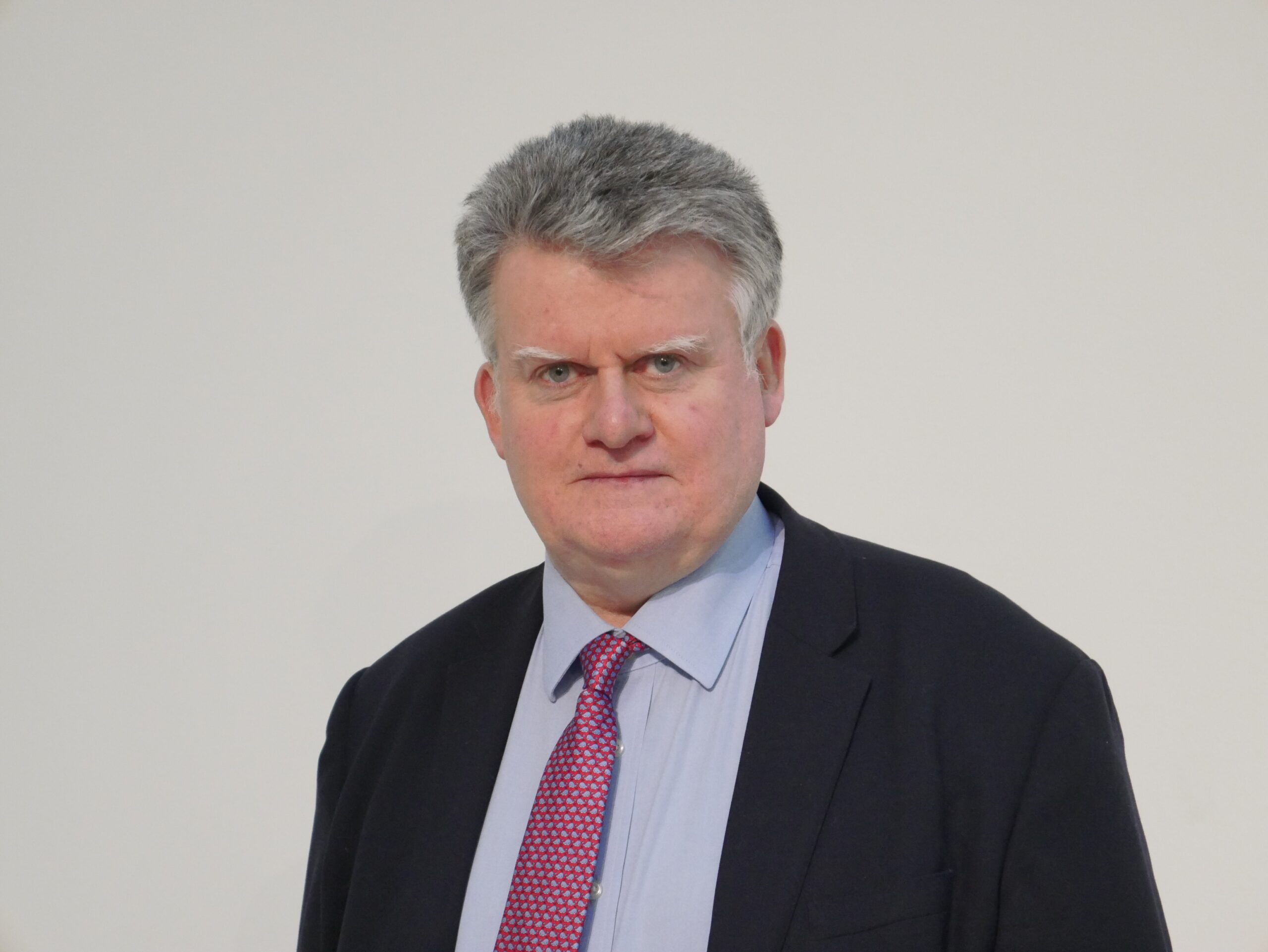
Johnny Timpson: I guess it’s worth thinking about the need to rethink IP. I think one of the things to be very aware of is that I did some work that was picked up by the Resolution Foundation back in 2013 with Lloyds Banking’s current account Database that were employed. And we noticed there that about 73% of employees now had fluctuating incomes, +/- 15% over the year. Above 35,000, it was about two thirds of employees with fluctuating income, but below 35000, it was over 70%. And more recently, I’ve just seen some research from Nest, actually and Nest again, are fluctuating in their pension data. Their income fluctuation is the norm and no longer just something that, is a hallmark of self-employment. So I guess to some extent is when we’re looking at benefit construction, maybe we need to kind of finish to add to the LV=, particularly for the Pioneer. And what they’ve done is maybe actually is being cognisant of the need to refocus and shift benefits around outgoings, fixed outgoings in particular rather than fluctuating income and percentages.

If someone has multiple lines of work and is making an IP claim we tend to look on an individual basis.

Justin Harper: It is kind of the, I hate to use that “individual basis”, but we would look for the adviser and the client to disclose what income they’d like to protect, but also the different types of occupations. It is rare, that they have the extremes, but it does happen. And then in claim, I think what we look to do is, this is where the importance of guarantees can come into play. They are able to do some work, then at least they’re able to secure some degree of minimum benefit in the term.

There’s a lot of demand for PMI at the moment. A big driver is the need for faster diagnosis. I wonder if there could be a hybrid product between IP and PMI.


Andy Walton: Yeah, I’m just going back to your hybrid question. We not licenced for PMI, we can’t sell PMI we’re the Mortgage Advice Bureau. We’ve teamed up with Vitality and we’re finding there’s a huge amount of demand out there. There’s lots of customers that are interested in PMI at the minute. And probably the big driver for that is that they just want to be touching on the point about the NHS and the strains with that a big driver we’re hearing from customers is the risk, is their sort of need for faster access to diagnosis. Once you’ve got your diagnosis, pretty much, we see the NHS pretty much kicking in, but it’s getting the diagnosis. And when you think about income protection policies over the years, they’ve sort of with these value added benefits, I know Johnny says I can’t use that word anymore, but these support services, I think that’s what we’re allowed to say now, these support services have sort of started moving into that dark world, haven’t they? So we’ve got GP access, for instance. We’ve got payments. If you go into hospitals, then we’ll pay you X amount per night. If you’re in hospital. And some of these areas sort of are creeping into PMI territory. And I wonder if that hybrid thing that you’re talking about, could we develop IP so it’s sort of moved to the first couple of rungs of a ladder of full blown PMI. In other words, let’s, you know, if you’ve got this IP policy, we could give you fast access to diagnosis in a private hospital. So instead of having to spend £100 a month on a separate PMI policy and all that myriad of explanation, could we just grab some low-hanging fruit out of that product and bolt it into IP? I do think there’s some demand for that out there.